




Gas isn't automatically cheaper to run than electric. A modern heat pump moves roughly three to five units of heat into the tank for every unit of electricity it draws, which usually makes it the cheapest system in the house to run, while a standard electric storage tank at about 95 per cent efficiency often costs more to run than gas unless rooftop solar supplies it.
The most repeated advice on this subject says gas wins because gas costs less per unit of energy. That advice is right about the unit price and wrong about the bill. Comparing fuel prices compares the wrong thing, because the machine attached to the fuel decides how much of it you burn.
A gas storage tank leaks heat through its walls all day and burns gas to replace it. An electric resistance element turns one unit of electricity into one unit of heat and stops there. A heat pump doesn't make heat at all. It moves existing heat out of the outside air and into the water, which is how it can beat gas while paying a higher rate per kilowatt hour.
So is gas hot water cheaper than electric? Sometimes, and the conditions are specific enough to name. Gas wins against an ageing electric tank on an ordinary tariff with nothing on the roof. Gas loses to a heat pump in almost every setup, including one with no solar and a flat rate.
Table of Contents
- Which Hot Water System Is Cheapest to Run
- Upfront Costs and Installation Requirements
- Running Costs With Tariffs, Solar and Rebates
- Which System Wins for Your Household
- Trends That Could Change the Answer
- Get Like-for-Like Quotes Before You Choose
Which Hot Water System Is Cheapest to Run
Gas is not automatically cheaper to run than electric. The verdict turns on which electric technology sits on the other side of the comparison, and the gap between the two electric options is far wider than the gap between electric and gas.
Water heating accounts for about 15% to 30% of household energy use, which puts both the unit's efficiency and the tariff structure on every bill, according to Australian Government hot water guidance. That guidance is unambiguous about the fuel question. Electric storage is generally the cheapest to purchase and install but usually more expensive to operate unless it draws on rooftop solar, gas systems sit in a medium to high band for purchase, installation and running costs, and heat pumps along with solar hot water usually have the lowest energy consumption and running costs.
Table 1 sorts the field before any prices enter the conversation.
Table 1. Efficiency and running-cost position by system type
| System | Efficiency | Running cost position |
|---|---|---|
| Electric resistance storage | About 0.95, or 95 per cent | High without solar, lower with it |
| Gas hot water, typical range | 0.75 to 0.96, or 75 to 96 per cent | High, and storage units lose heat continuously from the tank |
| Gas instantaneous, five-star | About 65 per cent | Medium to high |
| Heat pump | Coefficient of performance 3 to 5, about 280 per cent | Lowest of the main options |
| Solar hot water | Among the lowest energy users of the main types | Usually among the lowest |
Where the running costs actually diverge
The rated figures come from YourHome's hot water systems guidance: coefficients of performance of about 3 to 5 for heat-pump water heaters, against roughly 0.95 for new electric resistance storage and 0.75 to 0.96 for gas hot water systems. The same guidance records that heat pumps can use up to 75% less electricity than conventional electric storage.
A heat pump doesn't create heat from its fuel. A compressor and refrigerant pull ambient heat out of the outside air and push it into the tank, which is how one unit of electricity can deposit three to five units of heat in the water. Resistance heating can only convert. One unit in, roughly one unit of heat out, and the electricity bill carries the whole load. Electricity can cost several times more per unit than gas and still lose this comparison, because the heat pump needs a third or less of the energy to deliver the same hot water.
The comparison that matters: price delivered heat, not fuel. A tariff rate on its own says nothing until you divide it by the system's rated efficiency or coefficient of performance.
Gas splits the same way inside its own category. A five-star instantaneous system reached about 65% efficiency in the Australian Energy Market Commission's consumer analysis, while a heat-pump hot water system can reach approximately 280%, roughly four times the energy efficiency. The same analysis puts a heat pump's energy use at about 30% of a conventional electric hot water system's.
Solar hot water sits beside the heat pump at the low end because it collects heat directly rather than converting a fuel to make it. Gas storage is the weakest of the mainstream options in practice, since heat leaks from the tank and burner area whether or not anyone draws water, and that standby loss shows up as gas burnt to reheat a tank nobody used.
The test to apply to any quote
Take the tariff from the latest bill and divide it by the rated efficiency or coefficient of performance. A gas unit rated at 0.65 needs more units of gas to deliver the same heat as a heat pump rated at 3.5, and the division shows how many more. Comparing cents per unit and stopping there is the most common error in this decision, and it's an error of arithmetic rather than of judgement.
Hot water system installation and repairs quotes that do the division often land the heat pump ahead of gas even where electricity costs more per unit. Run the division before you compare prices, and the ranking usually changes.
Upfront Costs and Installation Requirements
The sticker price ranks the systems in a predictable order. Electric resistance storage is generally the cheapest to buy and install. Gas systems sit in a medium to high band. A heat pump costs more upfront than a conventional electric unit. The installed price can break that order because each system pulls different work behind it.
Table 2. Upfront cost position and installation requirements by system
| System | Purchase and installation | Installation requirements | Main upfront cost driver |
|---|---|---|---|
| Electric resistance storage | Lowest | Electrical connection, switchboard capacity, tank space | Switchboard upgrade if needed |
| Gas storage | Medium to high | Existing or new gas connection, flue, tank space | Gas connection charges and flue work |
| Gas continuous-flow | Medium to high | Gas line sized for demand, flue, wall space | Gas line upgrade and flue route |
| Heat pump | Higher than electric resistance, plus outdoor siting | Outdoor space, airflow clearance, switchboard capacity | Unit price, outdoor siting and switchboard work |
What moves the installed price
- An existing gas connection. A line already running to an old gas unit can usually be reused, and that reuse is a large part of why a gas swap looks cheap on paper. A new connection or a line upgrade changes the arithmetic completely.
- The flue. Gas units need one, routed to a compliant termination point. A route through a brick wall or a long horizontal run adds labour that a heat pump never needs.
- Switchboard capacity. Electric units draw serious current, and an older board may need a dedicated circuit or an upgrade before anything is installed.
- Outdoor space and airflow. A heat pump needs clear air around it to keep its coefficient of performance where the rating says it should be. Squeezing one into a narrow side path undercuts the number you paid for.
- Removal and disposal. An old tank has to come out of the roof, cupboard or yard and go somewhere. Ask who is doing that and whether it is in the price.
The quote that looks cheapest often excludes one of these items. A gas swap on an existing line can undercut a heat pump on day one, while a first-time gas connection can erase that advantage. A heat pump with a clear outdoor wall and spare switchboard capacity is a different proposition from one squeezed under a window.
Why the higher price can still be the better buy
Divide the difference in upfront price by the yearly difference in running cost and you have a payback in years. Compare that figure with how long the household expects to stay and with the unit's service life. A heat pump that costs more on day one and saves money each year can clear its premium inside that life. A cheaper unit that costs more to run keeps charging the household for as long as it lasts. The same test exposes a false saving: a low quote that omits switchboard work or flue modification is an incomplete price, and the missing work returns later.
If the upfront gap is the obstacle, interest-free payment options can spread the installation cost. They do not change the running-cost arithmetic, so the payback test still decides whether the more efficient unit is worth it.
Ask for the gap in writing. The dollar difference between the two quotes, and the yearly running-cost difference that closes it.
Three questions for every installer
- What size and type is quoted? Tank litres and recovery rate, or continuous-flow litres per minute, plus the model number.
- What installation work is included? Connection or line work, flue, electrical circuit, permits and any make-good to walls or roofing.
- What happens to the old unit? Removal, disposal, and whether either carries a charge.
Running Costs With Tariffs, Solar and Rebates
Electricity usually costs more per unit than gas, and that fact by itself settles nothing. A heat pump can deliver roughly three units of heat for every unit of electricity it draws, while a gas burner or a resistance element loses much of what it consumes before the heat reaches the tap. Fuel price and technology efficiency are two separate numbers, and on running cost the cheaper fuel often loses on the second one. Standard electric storage is the exception. Without solar, it usually runs dearer than gas. The order is heat pump first, gas second, resistance storage last on a flat rate.
Tariffs then reshuffle that order. Four steps reach a number worth trusting:
- Read the latest bills. Gas in cents per megajoule, electricity in cents per kilowatt hour, plus the daily supply charge on each. The supply charge is paid whether the tank runs hard or barely at all.
- Estimate daily hot water use in litres from occupants, shower length, laundry and dishwasher cycles. Half-hourly smart meter data makes the figure exact.
- Convert litres to annual energy using the quoted unit's rated efficiency. A heat pump separates from a resistance tank at this calculation, and most quotes skip this step.
- Apply every tariff the household can access, flat, off-peak or controlled load, then compare the totals with the fixed charges included.
In Victoria, replacing a gas hot water system with an electric alternative can reduce operating costs by approximately AUD 400 per year, according to the Victorian Government. That figure holds when the replacement is an efficient electric system, particularly a heat pump, rather than conventional resistive storage, and heat pumps may qualify for Victorian Energy Upgrades discounts on top.
A worked example, with assumptions labelled
Assume the household needs 10 kWh of useful heat a day. A heat pump at a coefficient of performance of 3 draws about 3.3 kWh of electricity to deliver it. A resistance unit at 0.95 draws about 10.5 kWh for the same heat. Multiply each by the cents per kilowatt hour on the bill, add the daily supply charge, and the difference in annual running cost falls out in a couple of lines. Change the household size or the tariff and the gap shifts with it, which is why a family of five on a controlled-load tariff has nothing in common with a couple on a flat rate.
Off-peak and controlled-load electricity cut the bill for electric storage by moving heating into cheaper hours. That shifts the heating rather than reducing it, and emissions rest on the system's efficiency, not on the clock. Solar is narrower still: it lowers running costs only for an electric system drawing from the roof during daylight, so a tank heating at 2am gets nothing from a 3pm surplus. For the wider picture on where the category goes next, look at solar water heating trends.
Fixed charges decide more gas-versus-electric calls than unit rates do. A connection kept alive for one appliance returns as a cost every year of the unit's life.
Which System Wins for Your Household
The decision rarely comes down to fuel in the abstract. It comes down to what's already connected, what's on the roof, and how much hot water leaves the taps at seven in the morning.
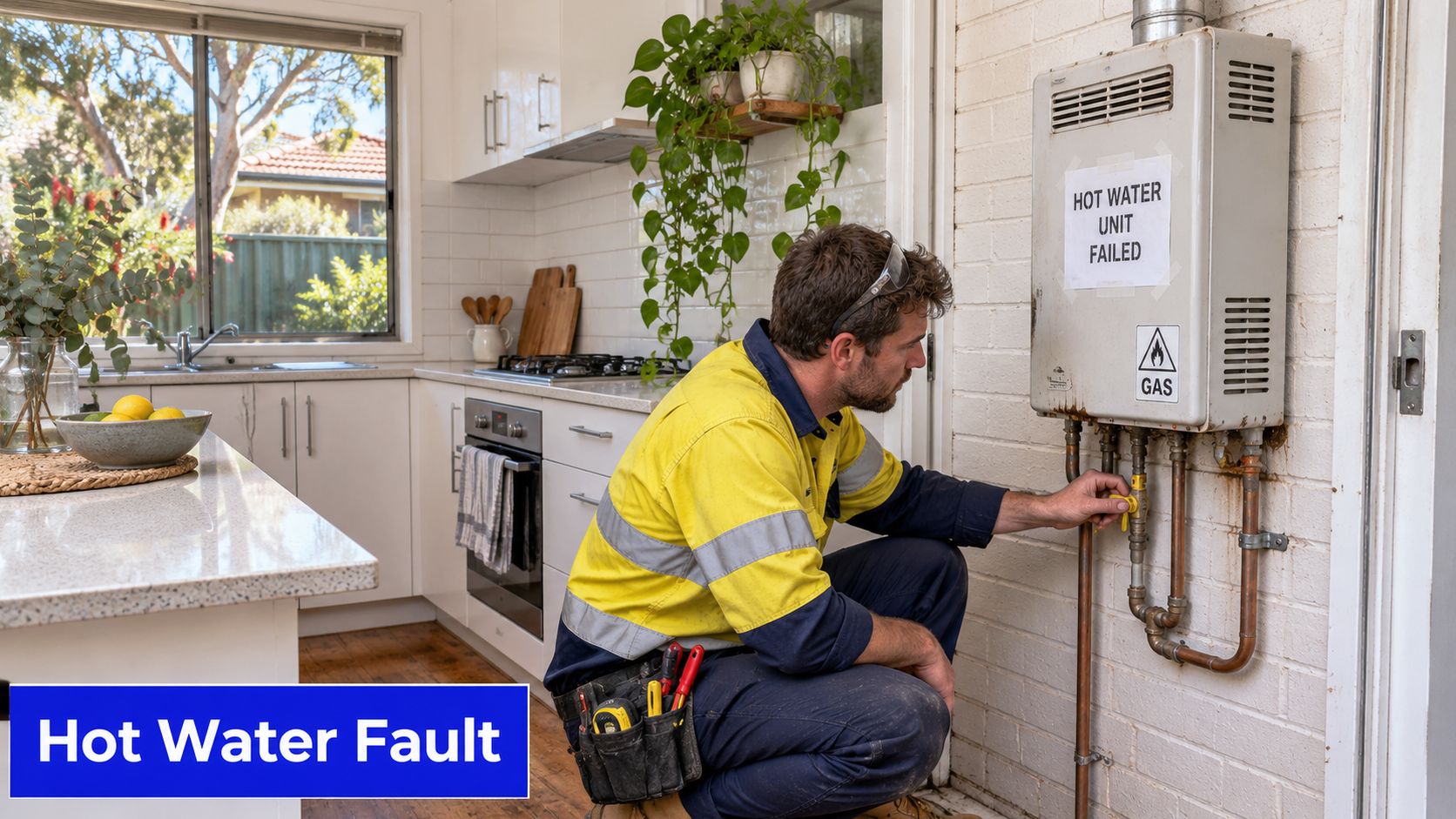
Table 3. Likely cheapest option to run by household situation
| Household situation | Likely cheaper to run | Why | Check first |
|---|---|---|---|
| Failed gas unit, gas connected, no solar | Heat pump | Lowest running cost of the main options | Outdoor space and switchboard capacity |
| Rooftop solar with daytime hot water use | Electric system drawing on solar | Solar offsets the electricity bill | Solar output and feed-in arrangements |
| Electric resistance storage on single-rate tariff, no solar | Gas, under many tariffs | Resistance heating costs more to run without solar | Current gas and electricity rates |
| Electric storage on off-peak tariff | Can match gas | Heating shifts to cheaper hours, but emissions are not reduced | Off-peak rate and controlled-load eligibility |
| No gas connection | Electric, compared with new gas connection cost | Avoids connection and flue costs | Quote for a new gas connection |
| Large household with high simultaneous demand | A tank sized for peak demand | Demand, not fuel type, sets the result | Sizing advice from an installer |
The cases that matter most
A failed gas unit in a home that already has gas and no solar is the clearest case. The old unit has to be replaced regardless, the gas line is already there, and a heat pump usually runs cheaper than any gas replacement over its life. Outdoor space and board capacity are the only two things that can derail it, and both are checkable before the unit is ordered.
A home with rooftop solar and hot water drawn during the day flips the calculation again, because electricity the household would otherwise export at a low feed-in rate is worth more used in the tank. Standard electric storage on a flat rate with no solar is the case where gas still wins under many tariffs, and it's the case most often mistaken for the whole category.
Where there's no gas connection, the comparison isn't gas against electric at all. It's electric against the cost of bringing a gas line to the property, adding a flue and carrying a daily charge from then on.
Size beats fuel in one situation. A large household with several showers running back to back needs a tank and recovery rate that keep up, and an undersized heat pump will run its element and lose its efficiency advantage. Size that with an installer rather than guessing from the number of bedrooms.
A short overview of the system types is a useful companion to the table above.
Trends That Could Change the Answer
Today's prices don't hold for the life of a new unit. Australian Energy Statistics 2025 reporting shows residential electricity consumption rose 2% while residential natural gas consumption fell 5%, with the gas decline concentrated in Victoria, and AEMO attributes the trend to cost pressures, electrification and policy incentives, as set out in the Australian energy update.
That's a signal about direction, not a bill. A national consumption shift doesn't tell one household what it will pay, because tariffs, climate, hot water use and available incentives all move independently of the aggregate.
What to do with a national trend
Weigh the expected lifespan of the unit against it. A replacement gas system may stay in service for many years, and it locks in a gas connection and its daily charge for that whole period. Run the comparison against expected tariffs over that life rather than against the current bill alone.
Ask one question before signing: would this system still need a gas connection? If the answer is yes and hot water is the only gas appliance left, the fixed charge is part of the running cost, and gas fitting and line upgrades can cap or remove a line that's no longer earning its keep.
A trend that reduces gas use across a state doesn't cut a single household's bill. Only a system change or a tariff change does that.
Get Like-for-Like Quotes Before You Choose
Six items turn a set of quotes into a comparison. Take them to every installer.
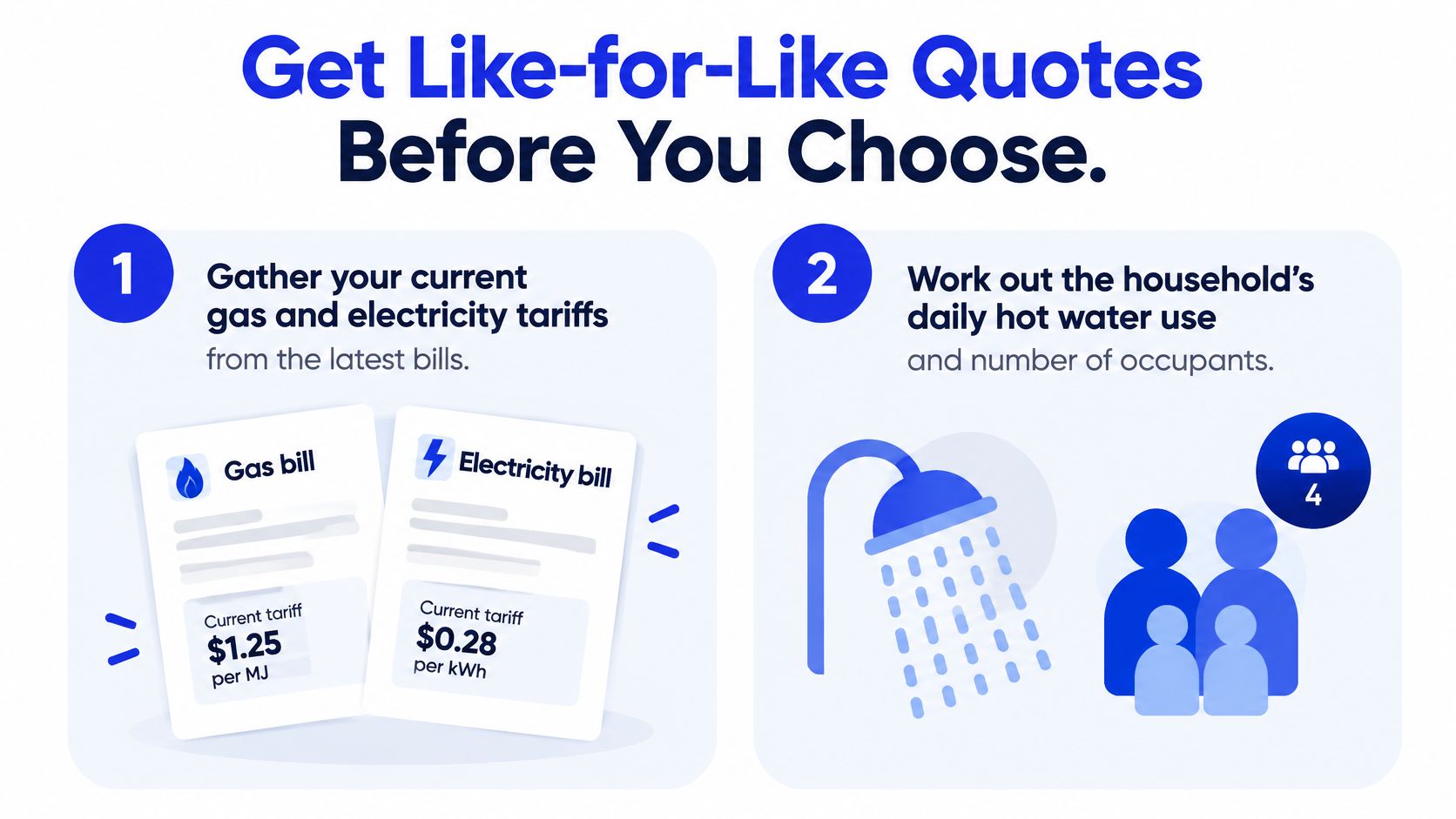
- Current gas and electricity tariffs, from the latest bills, including daily supply charges.
- Daily hot water use and number of occupants, so the quoted unit is sized for the household rather than for the installer's stock.
- Existing tank size and fuel type, because a like-for-like replacement is a different job from a changeover between fuels.
- Whether rooftop solar is installed or planned, and when the tank will heat.
- Whether a new gas connection or switchboard upgrade is required, since either can outweigh years of running-cost difference.
- Whether each quote covers the same system size, installation scope, warranty and removal of the old unit.
A comparison that ignores those items rewards the cheapest written scope rather than the cheapest outcome. A higher upfront price can still be the better buy once running savings are counted, and the only way to see it is to compare the same work.
Total Plumbing & Hot Water Systems works on all makes and models of gas and electric hot water units, prices the job upfront, takes the old unit away as part of the job, and can complete a hot water system replacement the same day a customer calls. Ask for running costs in writing alongside each quote, so fuel price and efficiency are compared together rather than unit price alone. For a quote in Caroline Springs, Taylors Hill or across Melbourne's western suburbs, contact Total Plumbing & Hot Water Systems.